
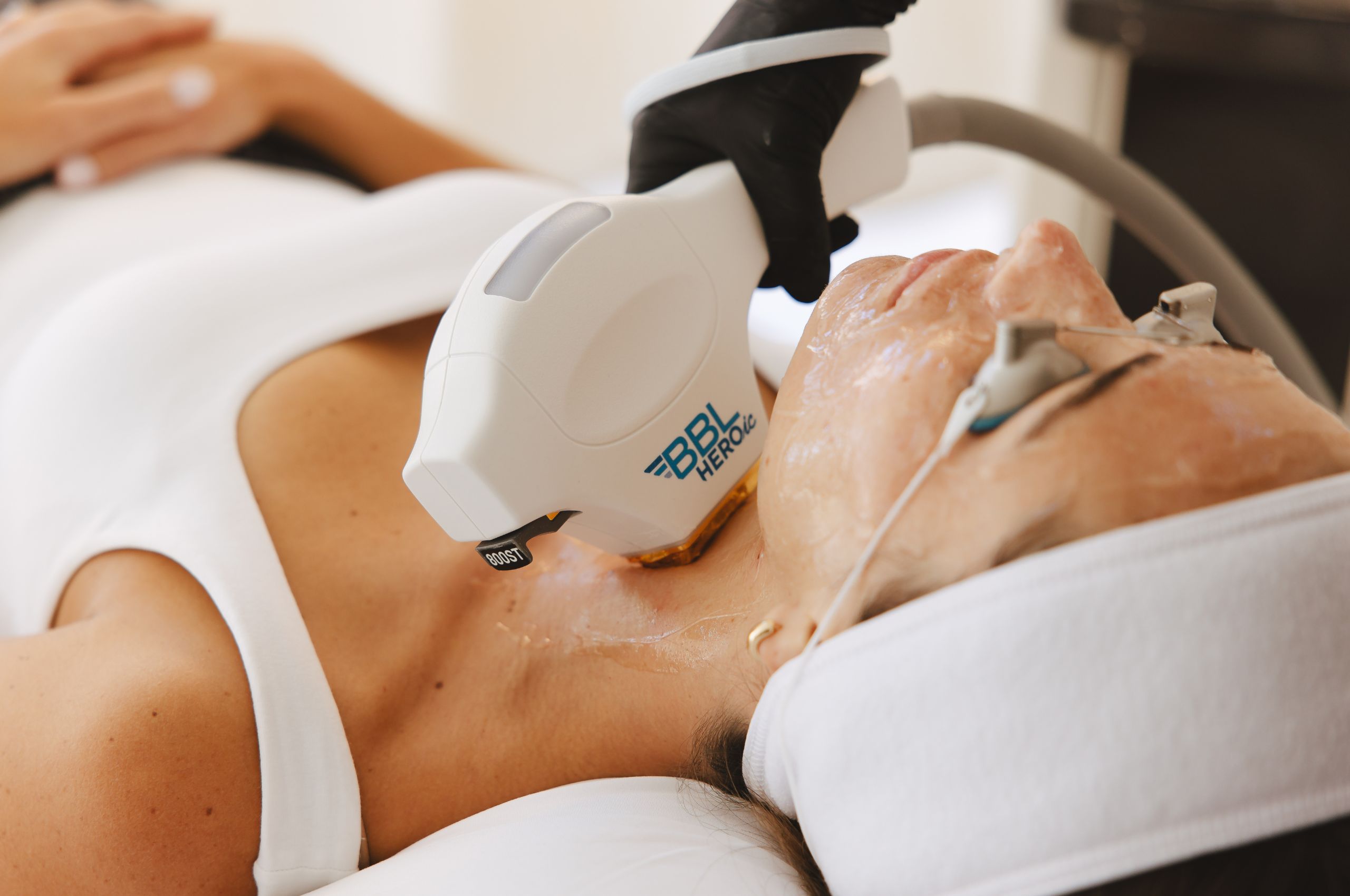
BBL HEROic treatments in Brighton & Hove
For pigmentation, persistent redness and visible vessels
BBL HEROic is an advanced broadband light treatment used to reduce appropriate pigmentation, persistent redness and visible facial vessels. Treatment can be used on the face, neck, décolletage and hands, as well as suitable concerns affecting the arms or legs.
It is particularly useful for the brown and red changes that accumulate over time. These may appear as individual sun spots, mottled pigmentation, broken capillaries or a general loss of clarity across the skin.
Treatment Time
Anaesthetic Cream
Recovery
Results From
Price
Corrective Course
Practitioner
Usually 20–30 minutes, excluding preparation
Not normally required
Redness and warmth commonly settle within 24–48 hours
Begin to appear as treated pigment clears
Treatments start from £525 for the face and neck. The décolletage, hands and other areas are priced following consultation.
Usually three treatments at one-month intervals
Iki Rhode, prescribing pharmacist and co-founder of Noaem, or Dr Christopher Vary, GMC-registered doctor
Treatment Time:
Usually 20–30 minutes, excluding preparation
Anaesthetic Cream:
Not normally required
Recovery:
Redness and warmth commonly settle within 24–48 hours
Results From:
Begin to appear as treated pigment clears
Price:
Treatments start from £525 for the face and neck. The décolletage, hands and other areas are priced following consultation.
Corrective Course:
Usually three treatments at one-month intervals
Practitioner:
Iki Rhode, prescribing pharmacist and co-founder of Noaem, or Dr Christopher Vary, GMC-registered doctor
Treatment follows assessment and a test patch where required.
How BBL HEROic works
BBL HEROic uses filtered broadband light to target colour within the skin. It is not a traditional laser. A laser produces a narrower wavelength, while broadband light can be filtered and adjusted for different pigmentary and vascular concerns.
Melanin absorbs the light selected for appropriate brown pigmentation. The targeted pigment often becomes darker before moving towards the surface and shedding over the following days. Haemoglobin absorbs light selected for persistent redness and visible vessels. These vascular structures gradually become less noticeable as they are cleared by the body.
BBL HEROic incorporates motion tracking and automated pulse placement to support even coverage as the handpiece moves across flat or curved areas. Integrated cooling protects the skin’s surface and helps keep treatment comfortable.
The technology supports accurate delivery, but the result still depends on clinical assessment and the practitioner’s selection of the appropriate filter and settings.
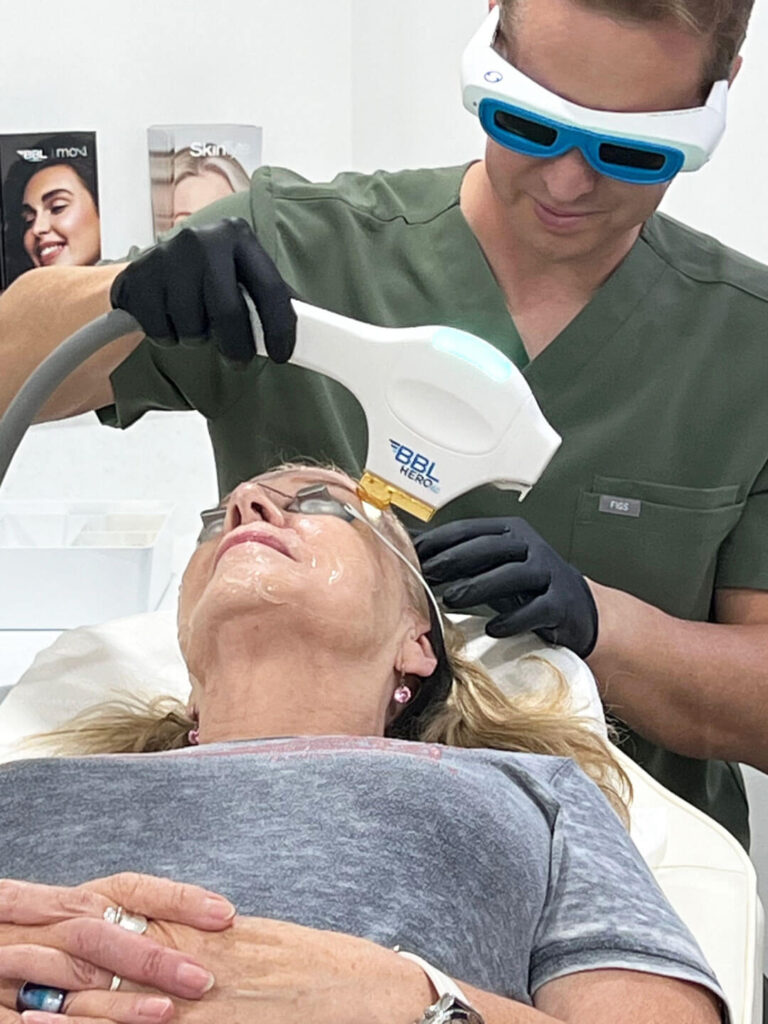
What BBL HEROic may improve
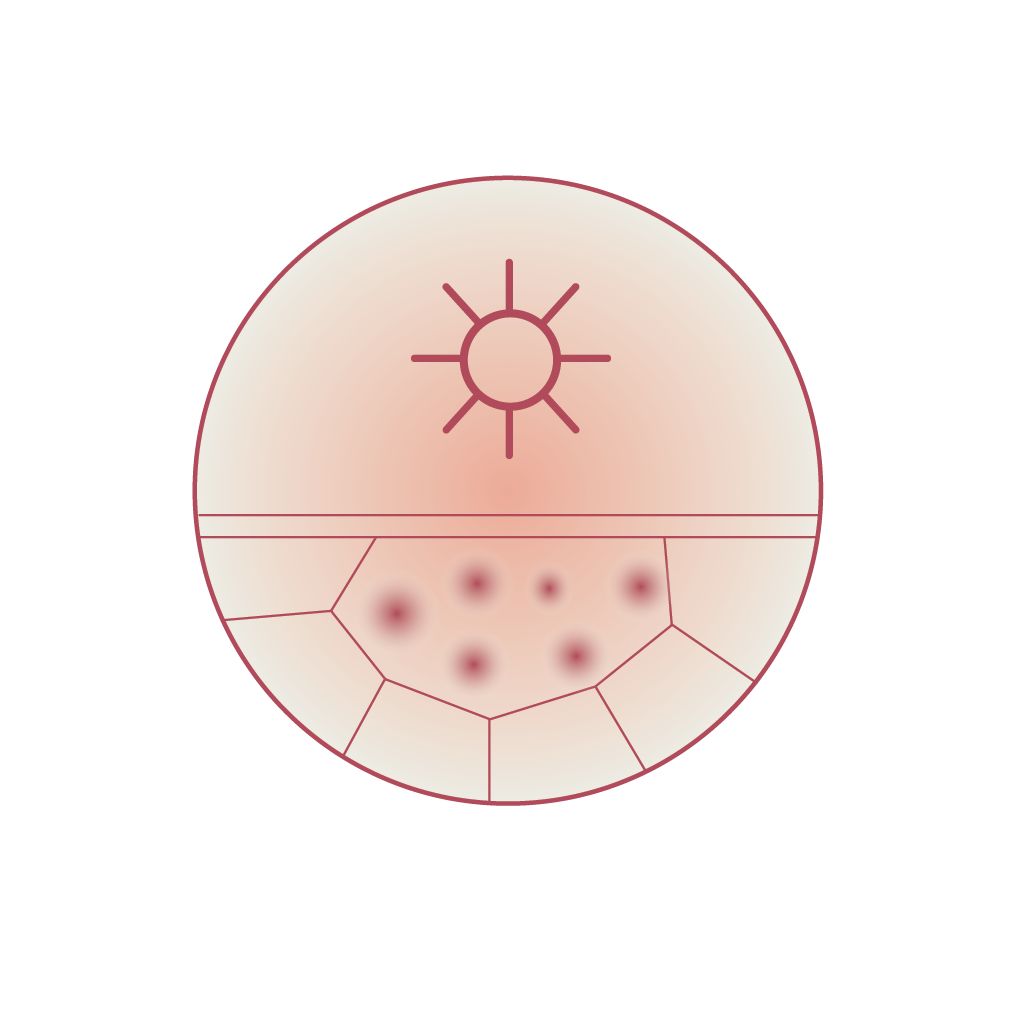
Pigmentation & Sun Damage
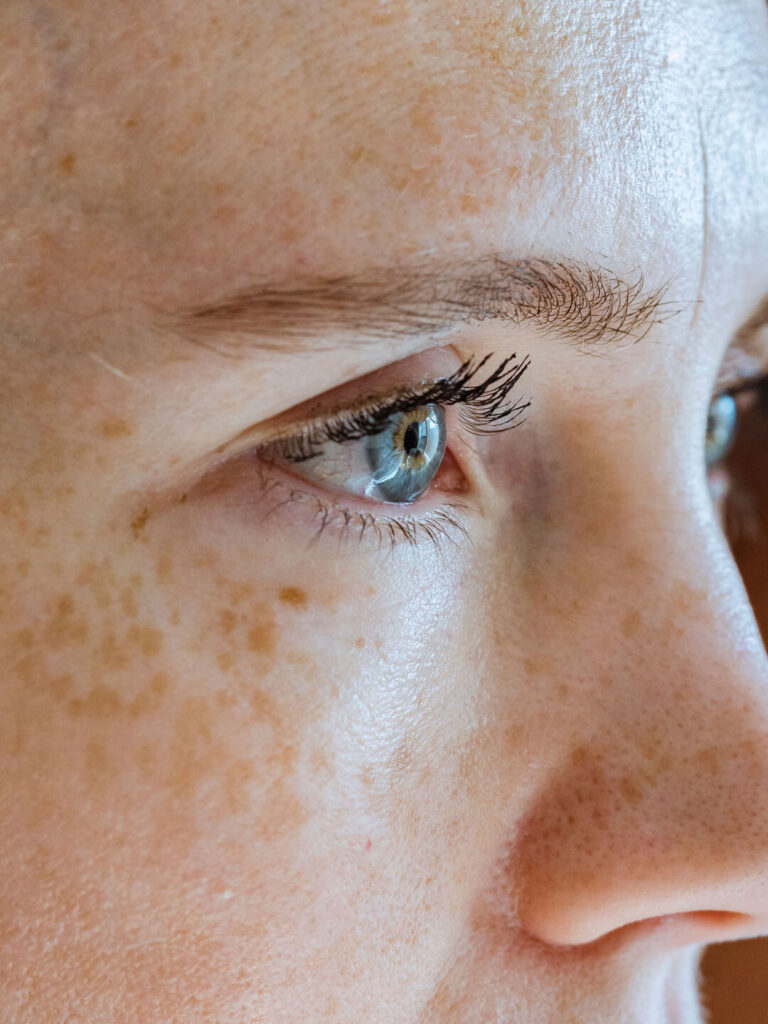
BBL HEROic may be used for flat brown marks caused by cumulative UV exposure, including solar lentigines, commonly known as sun spots or age spots. It can also improve diffuse pigmentation where sun damage creates a mottled appearance across a wider area.
As treated pigment clears, the skin can appear brighter and more uniform. Daily sun protection remains important because treatment cannot prevent new pigmentation from developing.
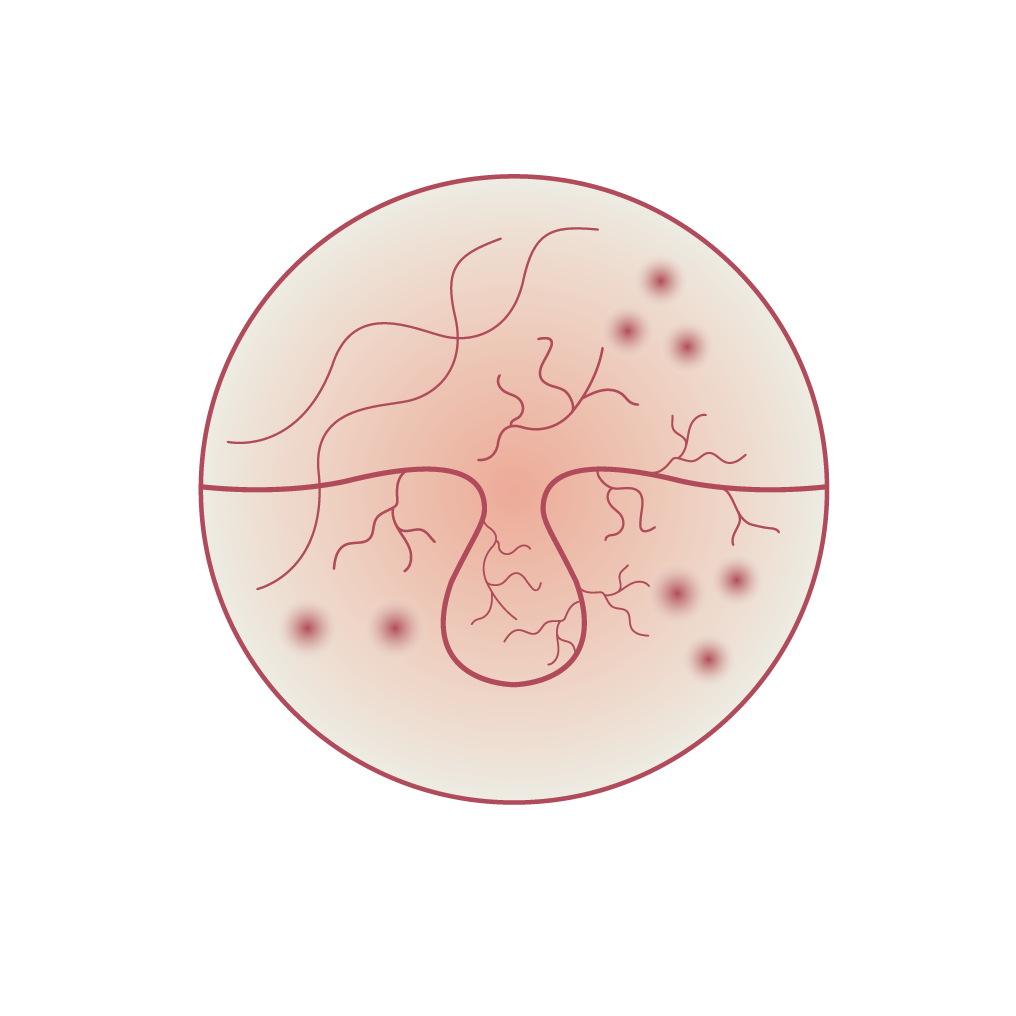
Persistent redness and visible vessels
BBL HEROic may reduce persistent facial redness, broken capillaries and suitable superficial vessels. It can also form part of the management of erythematotelangiectatic rosacea, where redness and visible capillaries are the main features.
The treatment does not cure rosacea or remove every cause of flushing. Appropriate skincare and management of individual triggers may still be needed.
Uneven tone associated with sun exposure
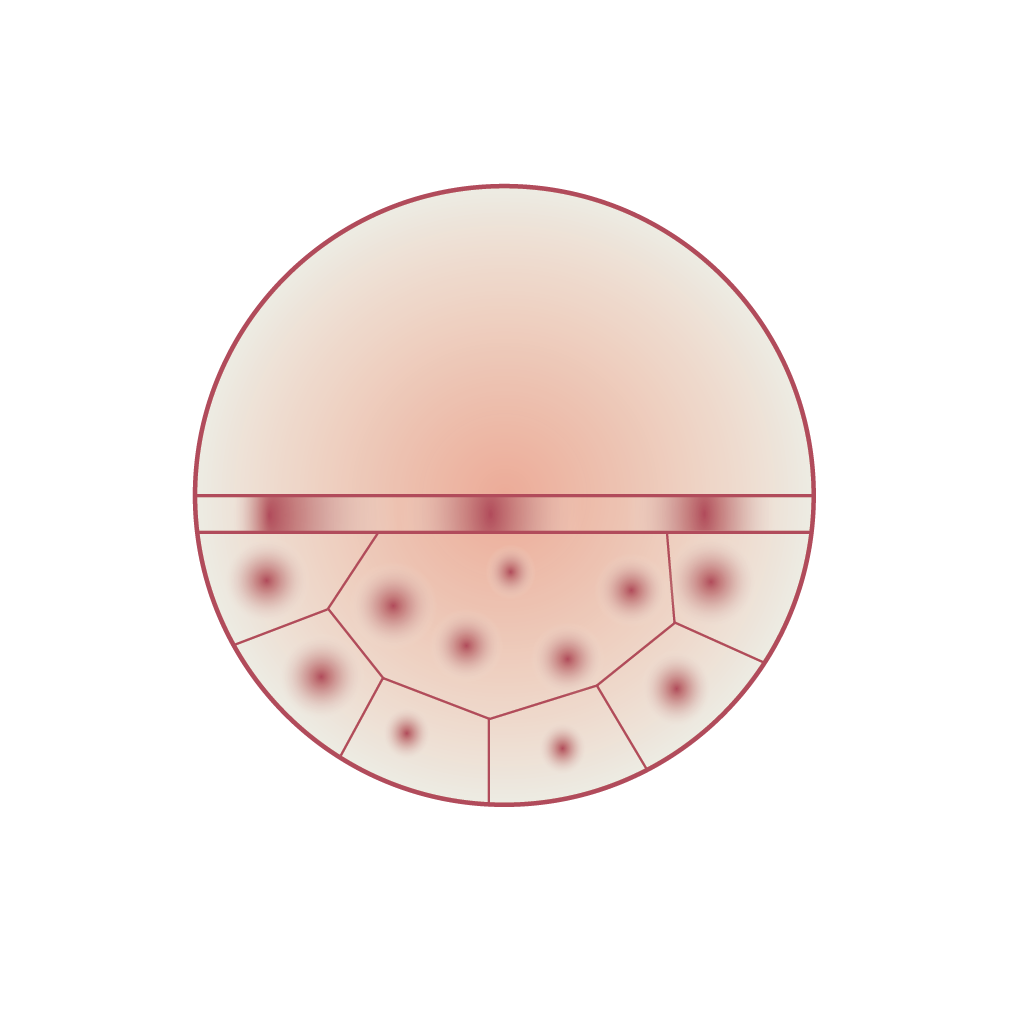
Sun exposure frequently produces both brown pigmentation and vascular change. Addressing these elements together can reduce the contrast between affected and unaffected skin, creating a clearer overall tone.
BBL HEROic is not appropriate for every type of pigmentation. Melasma can be aggravated by unsuitable light or heat-based treatment and requires a different assessment.
When another approach is needed
BBL HEROic is not appropriate for every form of pigmentation. Melasma can be aggravated by unsuitable light or heat-based treatment and requires a different assessment and management plan.
New or changing pigmented lesions must not be treated cosmetically without appropriate medical assessment. BBL HEROic is not used to remove moles or disguise a lesion that may require diagnostic review.
Clinical imaging and suitability
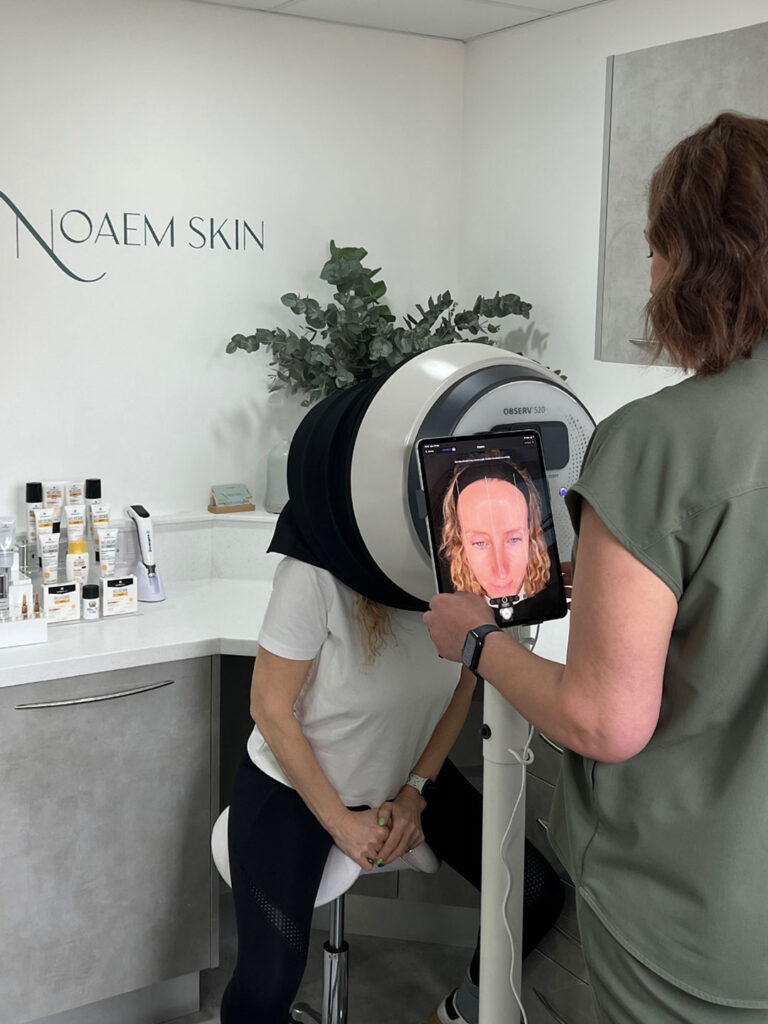
Every laser consultation for facial treatment includes an Observ520x scan. Its different light modes help visualise patterns of pigmentation, redness and sun-related change that may be less apparent in ordinary light.
Imaging is repeated during the treatment course and at the final review, allowing progress to be compared with the original baseline.
Suitability depends on skin tone, recent tanning, medication, medical history and the type of pigmentation present. This is why BBL HEROic is not offered without prior assessment.

Backed by Research
BBL HEROic produces visible improvement in sun-related pigmentation, redness and superficial vessels. Published research also suggests it may be doing something more.
Researchers at Stanford University examined what happens within the skin following a course of BBL treatment. They found that gene activity in treated skin shifted towards patterns more commonly seen in younger skin. The tissue also showed reduced signs of sun damage and more organised collagen.
The study was an early-stage investigation rather than a large clinical trial. Its findings are published in the Journal of Investigative Dermatology and are consistent with what many patients observe: that after a corrective course, the skin does not only look different. It appears to function differently.
The cooled handpiece is moved across the treatment area while rapid pulses of light are delivered. Each pulse may feel warm, with a brief snapping sensation where pigment is concentrated or the skin is more sensitive. Most patients tolerate treatment without anaesthetic.
The skin may look pink and feel warm immediately afterwards. Brown pigmentation often becomes darker and more noticeable before beginning to flake or shed. This is an expected response.
BBL HEROic must be planned around sun exposure. The skin must not be recently tanned, and fake tan must not have been used on the treatment area during the preceding four weeks. Most courses are therefore performed from September to June, although timing also depends on recent exposure and planned travel.
Pigmented areas should not be picked or exfoliated as they clear. You will be advised of Noaem’s post-laser skincare protocol before treatment so that the required products are available at home.
Daily broad-spectrum SPF50 and careful sun avoidance are essential during recovery.
Treated pigmentation commonly begins to lift over seven to ten days. Redness and visible vessels tend to improve more gradually.
Some patients notice a worthwhile change after one treatment. More established sun damage or diffuse redness usually responds better to three appointments spaced approximately one month apart. Additional treatment may be required for more extensive vascular concerns.
Once the corrective course is complete, maintenance treatment can be planned according to the skin’s response and future sun exposure. Appropriate skincare and daily sun protection help preserve the improvement.
Selected maintenance appointments may incorporate BBL HEROic SkinSmooth when less pigment or vascular correction is required and the priority has shifted towards visible refinement. SkinSmooth is not a routine part of every BBL HEROic appointment.
Combining BBL HEROic with MOXI
BBL HEROic and MOXI address different aspects of skin quality. BBL targets appropriate pigmentation and vascular change, while MOXI uses fractional laser energy to improve texture and support renewal within the skin.
Where colour change is accompanied by roughness, reduced luminosity or broader textural change, both treatments can be performed during the same appointment.
BBL HEROic FAQs
No. It uses filtered broadband light rather than the narrower wavelength produced by a traditional laser. It is frequently grouped with laser treatment because both use controlled light energy, but the technologies are different.
Some isolated concerns may respond to one appointment. More established pigmentation or diffuse redness usually benefits from three treatments at one-month intervals. The course is confirmed following assessment.
Most patients return to their usual activities after treatment. The skin may be pink and warm initially. Treated pigmentation remains darker and more visible while it moves towards the surface and sheds, which should be taken into account when planning events.
BBL HEROic treatment at Noaem Skin starts from £525 for the face and neck. A corrective course of three starts from £1,440. Other treatment areas are priced following consultation.
It may reduce persistent redness and visible vessels associated with erythematotelangiectatic rosacea. It does not cure the condition, so skincare and trigger management may remain necessary.
BBL is not Noaem’s standard treatment for melasma. Heat and unsuitable light treatment can aggravate some presentations, so a different approach may be recommended.
Treatment can produce a sustained reduction in the pigmentation and vascular changes addressed during a corrective course. It cannot prevent new sun damage or the recurrence of redness associated with rosacea. Sun protection and maintenance treatment can help preserve the improvement.
Meet Iki and Dr Chris
Noaem was founded by prescribing pharmacist Iki Rhode and Dr Christopher Vary to bring medical rigour to the long-term care of skin.
Iki is a GPhC-registered pharmacist and independent prescriber with more than 20 years of clinical experience. Dr Chris is a GMC-registered doctor with a background in anaesthesia and critical care. Every consultation and treatment is carried out by one of them, with recommendations based on clinical judgement rather than a predetermined treatment pathway.


Notes from Noaem Skin
Receive occasional Journal articles, seasonal skin guidance and clinic updates from Iki and Dr Chris.