Polynucleotide Injections in Brighton and Hove
Improving skin quality without adding facial volume
Polynucleotides are injectable fragments of highly purified, fish-derived DNA used to support repair processes within the skin. They may improve hydration, texture and elasticity without replacing facial volume or changing the shape of the face. Results develop gradually across a corrective course.
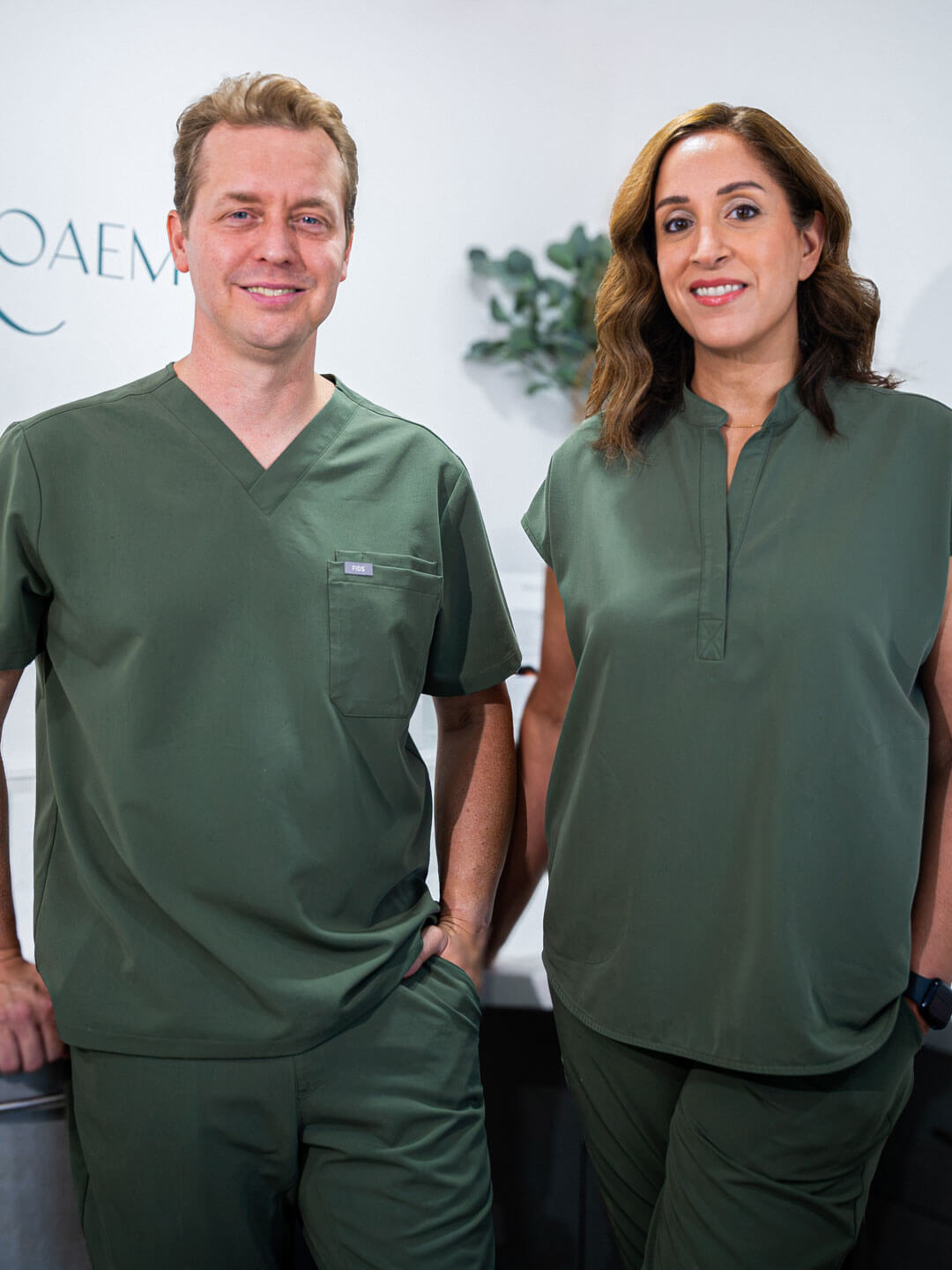
At Noaem Skin in Hove, treatment is carried out by GPhC-registered prescribing pharmacist Iki Rhode or GMC-registered doctor Dr Christopher Vary. Dr Chris performs every eye-area treatment.
IN BRIEF
- Appointment time: 60-90 minutes depending on areas being treated.
- Anaesthetic: Topical anaesthetic cream to improve comfort.
- Downtime: Raised red bumps and possible puffiness in the treated areas for several hour to one to two days.
- Results begin: Gradual onset in the weeks after treatment
- Full effect: Around 1 month after completion of a corrective course
- Result Duration: Several months, with sustained results achievable with maintenance treatments.
- Treatment Course: Initially 3-4 treatments every two to three weeks, followed by one maintenance treatment every four to six months.
TREATMENT OVERVIEW
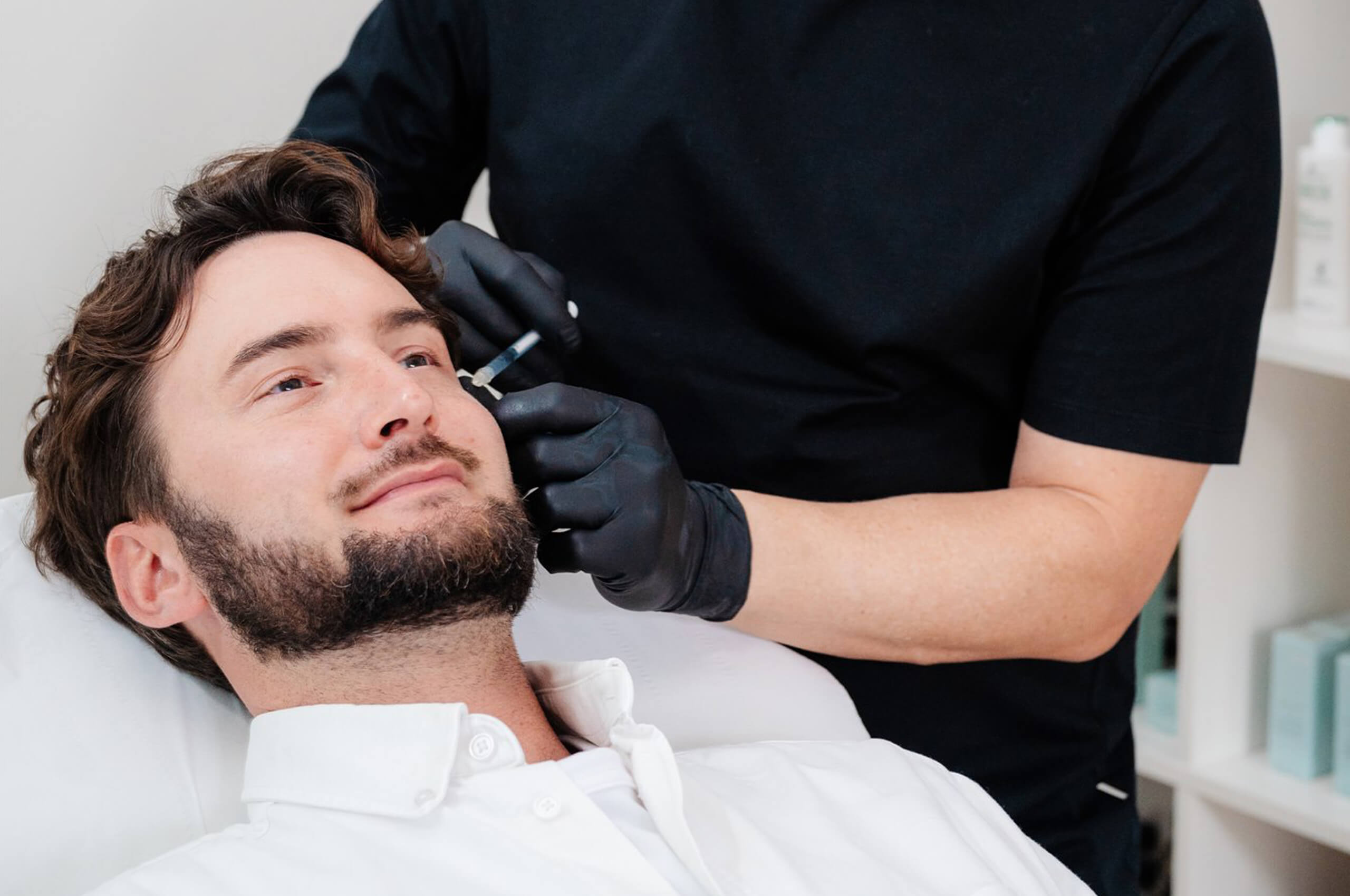
Topical anaesthetic cream is applied before treatment. Once the skin has been cleansed, small amounts of the selected formulation are placed at multiple points within the treatment area.
Treatment may be delivered using a fine needle or cannula, depending on the tissue and intended pattern. The injections take approximately 30 to 45 minutes.
No specific skincare preparation is usually required. Medical history and medication are reviewed during consultation. Plan around important events, particularly for eye treatment, because visible swelling or bruising can occur.
Small raised areas, redness and mild swelling are expected afterwards. These usually settle within 24 to 48 hours, although bruising is possible.
Avoid strenuous exercise and direct sun exposure while the skin settles. Do not rub the injection points unless advised, and continue daily sun protection.
How do polynucleotides work?
Polynucleotides are chains of nucleotide units, the components from which DNA is formed. Within the skin, the purified fragments create a temporary water-binding environment while gradually breaking down. Research suggests that they support fibroblast activity and components of the extracellular matrix, including collagen.
Polynucleotide injections are used when tissue quality is the main concern. They may improve hydration, surface texture and elasticity in skin that has become thinner or less resilient. These changes can become more noticeable with age and during perimenopause or menopause.
The treatment is described as biostimulatory because the visible result depends on the tissue response rather than a permanent implant. Improvement develops progressively and is best assessed across a corrective course.
Polynucleotides do not significantly lift lax tissue, replace lost volume or relax expression lines. They will not correct every cause of under-eye darkness. Pigmentation, visible vessels, eye bags or structural shadowing may require a different approach.
Polynucleotides for the Under-Eye Area
- A formulation developed for delicate periocular skin is used around the eyes.
- Treatment may improve fine lines and thin, crepey skin without creating structural volume.
- It may soften some dark circles when thin tissue contributes, but will not remove pigmentation, correct significant eye bags or replace lost volume.
- Dr Chris performs all eye-area treatments and selects the technique according to your anatomy.
Polynucleotide Treatment for the Face, Neck, Décolletage and Hands
- Treatment can be used where the skin has become thinner, drier or less resilient.
- Polynucleotides are distributed through the tissue to support wider improvement rather than placed into individual lines.
- Formulations include polynucleotides alone or combined with non-crosslinked hyaluronic acid.
- Product and technique are selected following assessment. You do not need to choose a formulation.
What the evidence supports
Clinical studies have reported improvements in hydration, elasticity and surface texture after polynucleotide injections. A randomised split-face trial found that polynucleotides and non-crosslinked hyaluronic acid both improved the eye area, with greater changes in several measures on the polynucleotide-treated side.
DermaPen 4 PolyLuxe
Dermapen 4 PolyLuxe combines microneedling with topical polynucleotide infusion. It is separate from injectable treatment and may be more appropriate where surface texture, collagen loss or post-acne scarring is the principal concern.
Frequently Asked Questions
No. They do not replace lost volume or alter facial contours. Temporary fullness comes from injected fluid and local swelling. The intended result develops through gradual changes in skin quality.
Yes. The formulations used at Noaem contain highly purified DNA fragments derived from fish. Any history of fish allergy must be discussed during consultation.
Published studies report favourable tolerability, but no injectable treatment is free from risk. Temporary redness, swelling and raised injection points are expected. Bruising is possible. Suitability is assessed before treatment.
Topical anaesthetic cream is applied beforehand. Most patients tolerate the treatment well, although brief discomfort may be felt during injection. The eye area can be more sensitive.
Most patients begin with two to three treatments spaced four weeks apart. The number recommended depends on the treatment area and how the tissue responds.
Botulinum toxin is usually repeated every three to four months to maintain the effect. Injectable skin treatments, microneedling and MOXI are generally recommended as corrective courses. The number and sequence will be confirmed following consultation.
Improvement develops gradually and is assessed across the corrective course. How long it remains visible varies according to the formulation, treatment area and individual response. Maintenance may be discussed from around six months.
Redness, small raised areas and mild swelling usually settle within 24 to 48 hours. Bruising is possible, particularly around the eyes, so appointments should be planned with this in mind.
Begin with The Noaem Injectables Consultation
The Noaem Injectables Consultation allows the tissue and cause of the concern to be assessed before a recommendation is made. You will not need to select a product or injection technique. We will recommend the appropriate treatment and corrective course.
For wider concerns involving pigmentation or skin function, The Noaem Skin Consultation may be a more appropriate starting point.
“From the first consultation I have felt at ease and totally invested in the treatments and products Iki recommends.”
Claire
“I’m nearly finished with a great course of peels and it’s nothing like I expected.
Superb results and Iki, the owner practioner, makes it all a really relaxing experience.”
Paul
“I had the retinol treatment with Iki and also bought some skincare products to use at home. Iki was wonderful throughout!”
Mariana
“Can honestly say I have NEVER been so happy with my skin. I saw immediate reduction in my freckles, my pores are tighter, my skin looks youthful and glowy. I’ve not worn makeup for days which is a first for me.”
Samantha
Treatment led by Iki and Dr Chris
Every consultation and treatment at Noaem is carried out personally by prescribing pharmacist Iki Rhode or Dr Christopher Vary. Care is not delegated to a wider practitioner team.
Together, they bring more than 30 years of clinical experience across pharmacy and medicine. Their different professional backgrounds inform how suitability is assessed and whether treatment is likely to provide enough benefit.