Beyond Aesthetics: Why the Science Behind BBL Matters to Us
At Noaem Skin, every device we introduce must meet one standard above all others: it must support genuine skin health.
Visible improvement is important, but for us, it is never enough on its own. We want to understand what is happening beneath the surface. Is the skin simply being stimulated? Or is it truly functioning in a healthier and more youthful way? This is why the research behind Broadband Light (BBL) technology was so significant to Dr Chris and I, as medical professionals.
The Study That Changed the Conversation
A landmark study from Stanford University, published in the Journal of Investigative Dermatology, examined whether BBL could do more than improve the cosmetic appearance of ageing skin.
Importantly, this research was conducted at Stanford University – a world-renowned academic medical centre recognised for its leadership in dermatologic and genetic research – adding significant scientific credibility to the findings.
Instead of only assessing wrinkles or pigmentation, researchers analysed gene expression – the biological instructions that tell skin cells how to behave. They compared young skin, aged untreated skin and aged skin treated with BBL. What they discovered was remarkable.
After a course of BBL treatments, aged skin began to express genes in a pattern that more closely resembled youthful skin. Over 1,200 age-related gene changes were partially reversed. This is not surface-level improvement. This is a shift in how the skin is functioning at a molecular level.
Why Gene Expression Matters
As we age, the skin’s biology changes -cellular repair slows, protein production becomes less efficient, inflammatory pathways become more active and structural integrity weakens. These changes are driven by altered gene expression – essentially, the “software” of the cell.
The Stanford study demonstrated that BBL helped restore expression in genes linked to:
- Cellular repair
- Protein renewal and translation
- Longevity pathways
- DNA integrity
- Immune regulation
Importantly, the researchers found no evidence that BBL was simply triggering a wound-healing or scarring response. The skin was not being forced into regeneration through injury. Instead, it appeared to be guided back toward a more youthful biological state. For a medical clinic focused on skin health, this distinction is critical.
Skin Health, Not Just Skin Appearance
There are many technologies that can temporarily tighten, resurface or brighten.
But we look for treatments that:
- Improve resilience
- Enhance long-term function
- Support the skin’s ability to repair itself
- Strengthen the biological foundations of the tissue
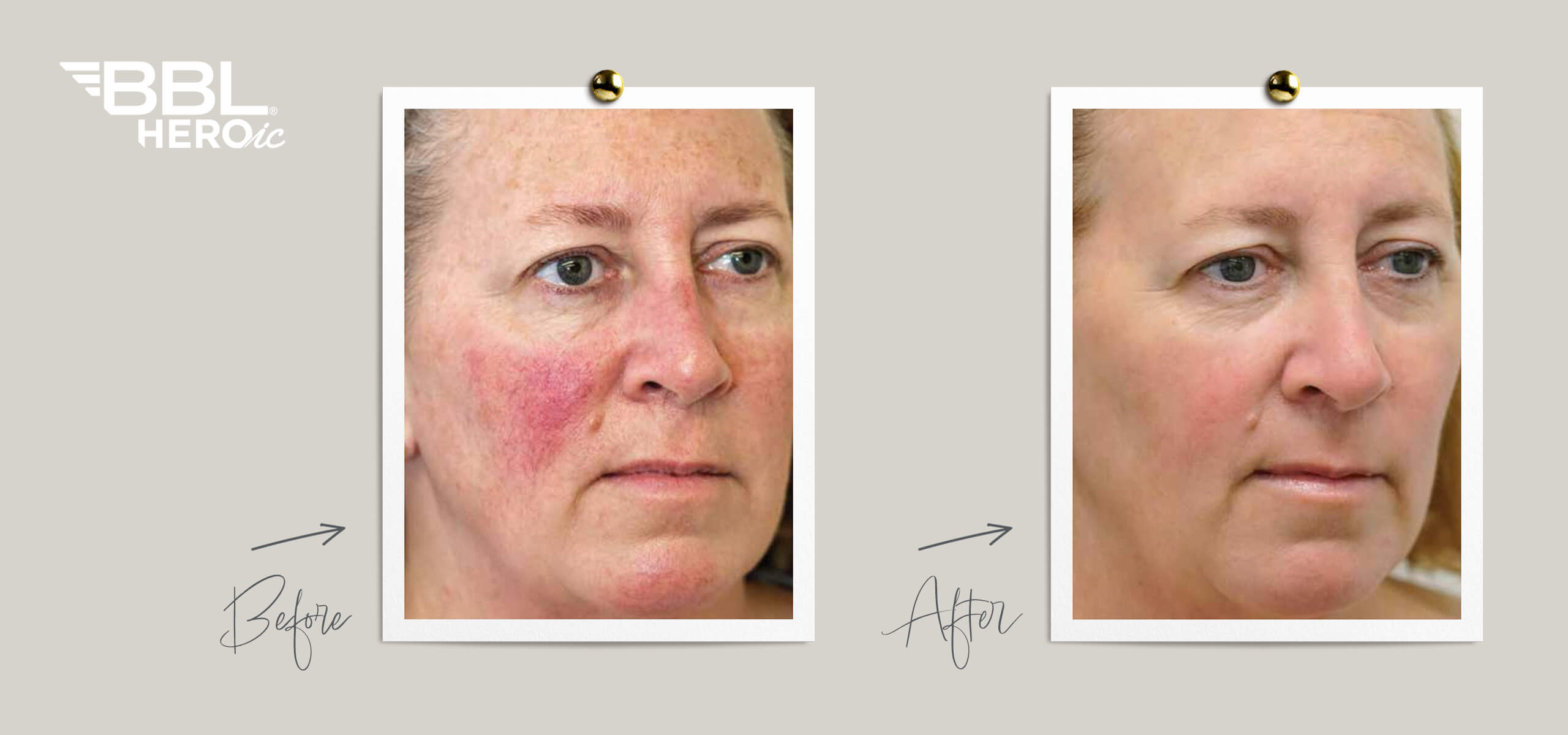
The evidence suggests that BBL supports these deeper processes. Clinically, patients notice:
- Smoother texture
- Reduced fine lines
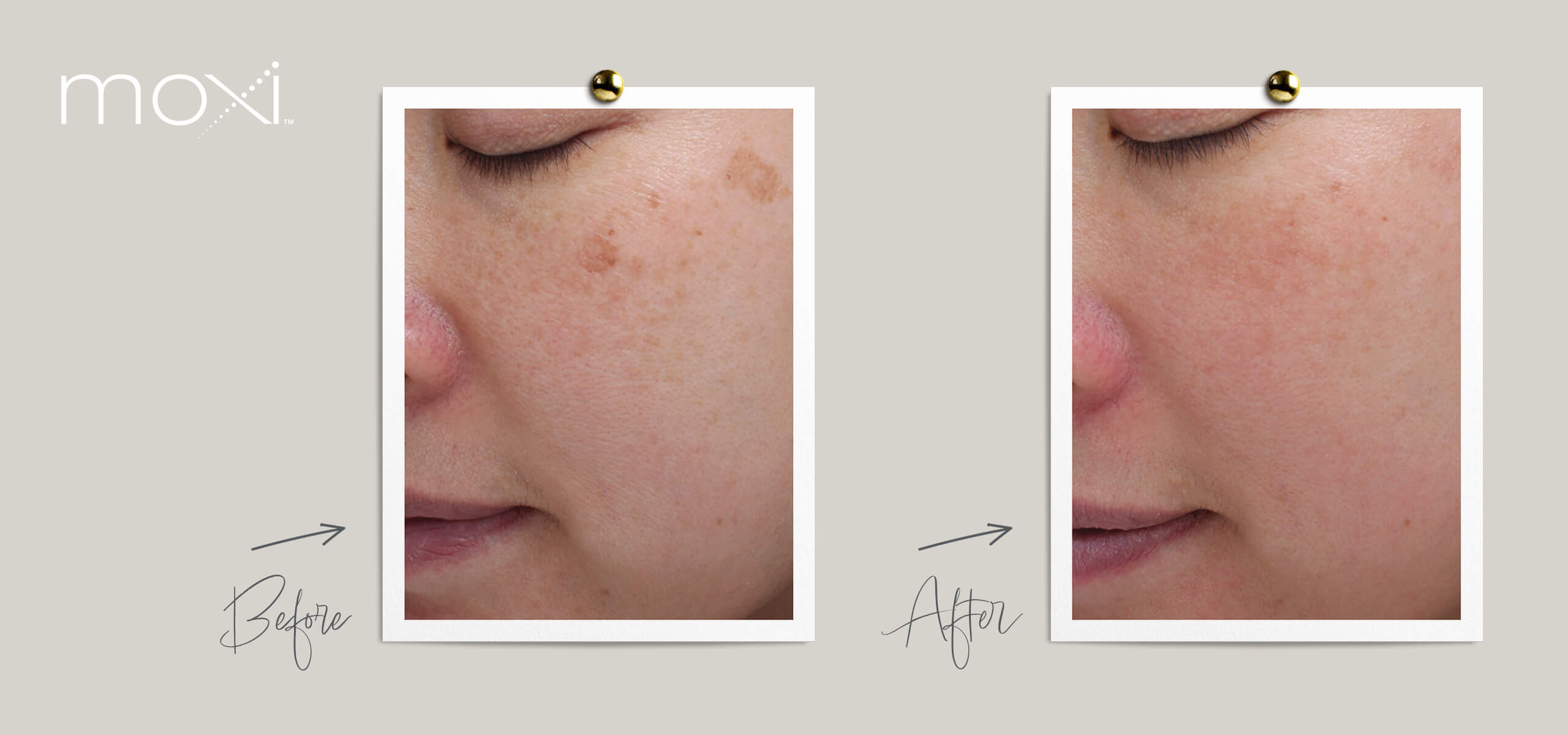
- More even pigmentation
- Improved clarity
But what reassures us as clinicians is why these improvements occur. They are underpinned by measurable molecular changes aligned with healthier, more youthful skin function.
A Medical Approach to Longevity
We do not view BBL as a quick aesthetic fix. We see it as part of a broader strategy for skin longevity – supporting the skin so that it behaves more efficiently over time.
In medicine, our responsibility is to look beyond trends and marketing. We evaluate evidence, safety and biological plausibility. The data behind BBL gave us confidence that this technology aligns with our philosophy –
Enhance health first. Aesthetics follow naturally.
When skin functions well, it looks well.
That is the standard we – at Noaem Skin – hold ourselves to and the reason we are selective about every treatment we offer.
If you are interested in improving skin clarity, tone and overall skin health, you can register your interest or book a Discover Skin consultation to begin your personalised plan.